Why Older Homes Near Downtown San Luis Obispo Develop Hidden Mold
Older downtown San Luis Obispo homes hide mold behind lath-and-plaster walls, under original floors, and inside aging plumbing chases. Here is why it happens and how to find it.
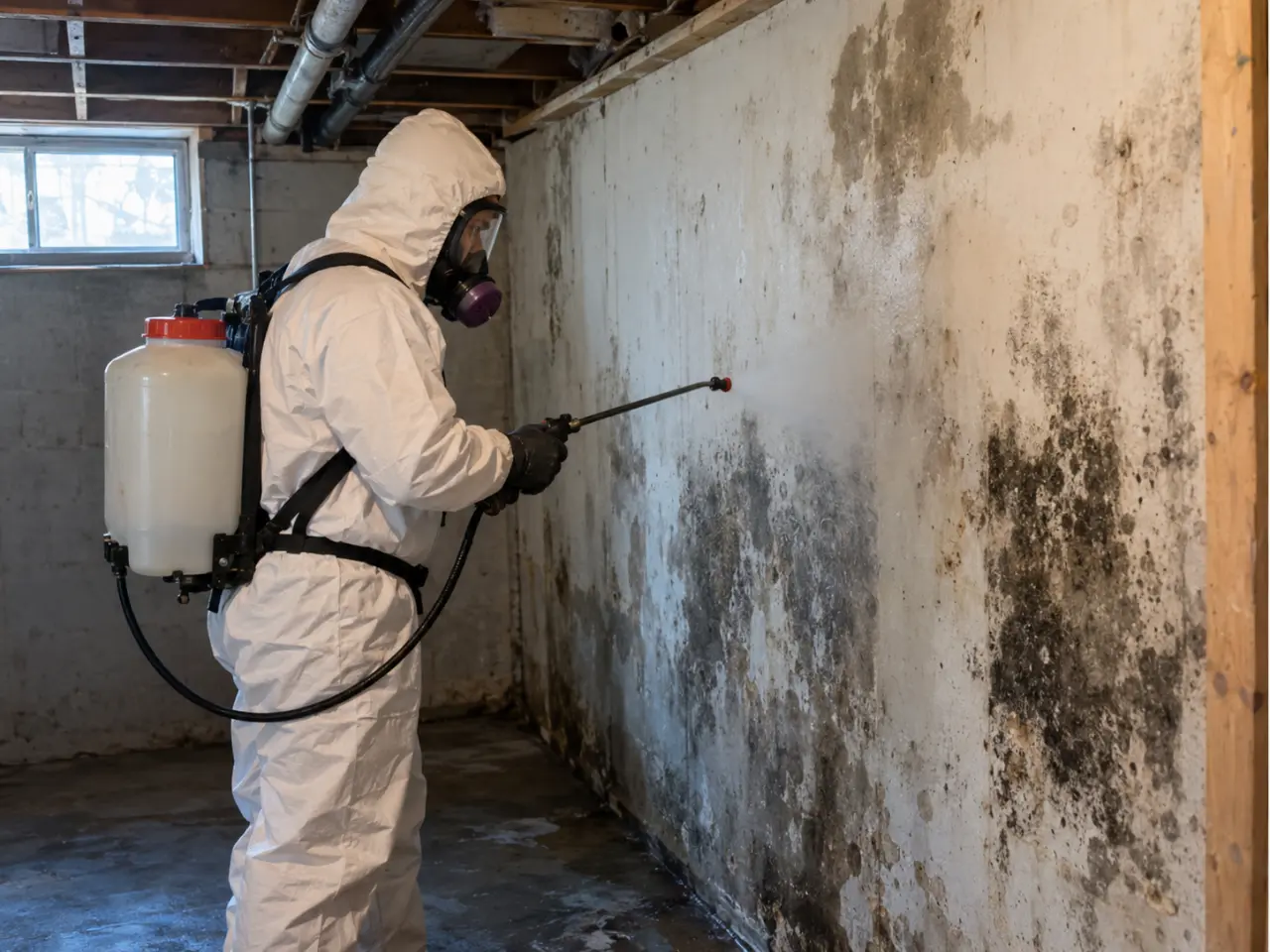
Older homes near downtown San Luis Luis Obispo develop hidden mold because their original building materials - lath-and-plaster walls, redwood sills, unvented crawlspaces, and galvanized or cast-iron plumbing - hold moisture for months without showing a single visible stain. The mold grows inside the wall cavity, under the floor, or behind the baseboard long before you smell it or see it. This post walks through the specific reasons historic SLO homes hide mold so well, the moisture sources we find most often, and how to confirm what is actually growing back there.
Why Older Homes Near Downtown San Luis Obispo Develop Hidden Mold
Hidden mold in older downtown San Luis Obispo homes is a moisture problem that has been quietly compounding for years, not a sudden event. A slow drip behind a 1940s kitchen wall can feed mold colonies for 18 to 24 months before the drywall or plaster shows any outward sign. By the time a homeowner smells the musty odor in the hallway, the growth has usually spread across 10 to 30 square feet of framing and sheathing.
Downtown SLO has one of the densest concentrations of pre-1960 housing on the Central Coast. The blocks between Higuera, Marsh, and Broad are packed with bungalows, Spanish Revival cottages, and early Craftsman homes built between 1910 and 1955. Those houses were designed for a drier interior climate and a smaller household. They were not built for modern showers, dishwashers, irrigation lines, or the 40-plus inches of rain we can log in a wet winter.
If you own one of these homes, the mold is not a sign of neglect. It is a sign that the building envelope and the plumbing have aged past the point where they can shed water on their own. Our team handles Mold Remediation San Luis Obispo CA work in these exact houses every month, and the pattern is remarkably consistent.
The Building Science Behind It: Why Historic Construction Traps Moisture
Historic San Luis Obispo construction traps moisture because it was built with vapor-retarding materials and no modern drainage plane. Three features do most of the damage.
Lath and plaster holds water like a sponge
Rock lath and gypsum plaster absorb water and release it slowly. A single plumbing leak that would dry out of modern drywall in 48 hours can stay trapped in plaster for two to three weeks. That is more than enough time for Stachybotrys or Aspergillus to colonize the paper backing.
No vapor barrier under the slab or in the crawlspace
Most pre-1960 SLO homes have a bare-earth crawlspace. During a wet winter, ground moisture rises into the subfloor framing. We routinely measure 18 to 22 percent moisture content in original redwood joists - well above the 12 percent threshold where wood-destroying mold becomes active.
Original windows and uninsulated walls
Single-pane wood sash windows sweat on the inside every cold morning from November through March. That condensation runs down the jamb, into the wall cavity, and onto the framing. It is one of the most overlooked hidden moisture problems in historic San Luis Obispo houses.
Aging Plumbing and Mold in San Luis Obispo Homes
Aging plumbing and mold in San Luis Obispo homes are almost always linked, because the original supply and drain lines are now 60 to 110 years old. Three failure modes show up over and over.
- Galvanized steel supply lines corrode from the inside out and weep at threaded joints inside wall cavities. The leak is often less than a cup per day - invisible, but constant.
- Cast-iron drain lines crack at the hub and seep into the subfloor. We find this most often under kitchen sinks and upstairs bathrooms.
- Clay sewer laterals crack at the root joints and back up under the slab, pushing moisture up into the flooring.
When we open a wall on a 1920s home near the Mold Remediation in Downtown San Luis Obispo corridor, we expect to find at least one of these. A slow drip behind the kitchen wall is the single most common source of concealed mold behind walls in older homes that we document.
How San Luis Obispo's Coastal Climate Feeds Hidden Mold
San Luis Obispo's coastal climate feeds hidden mold because the marine layer keeps indoor relative humidity above 60 percent for weeks at a time. Mold needs three things: moisture, organic material, and temperatures between 60°F and 80°F. Downtown SLO delivers all three for most of the year.
From May through September, the fog rolls in overnight and pushes indoor humidity into the 65 to 75 percent range in older homes without mechanical ventilation. Add a bathroom exhaust fan that vents into the attic instead of outside - which we find in roughly one in three pre-1970 homes - and you have a mold nursery in the ceiling cavity.
Winter is worse. Between December and March, wind-driven rain finds every failed flashing, cracked stucco, and deteriorated window glazing. Water enters the wall, the plaster holds it, and the mold blooms quietly until spring.
How to Find Mold Behind Walls in an Older San Luis Obispo Home
Finding mold behind walls in an older San Luis Obispo home starts with your nose and your eyes, not a hammer. The visible signs come in a predictable order.
- Musty odor in one room, strongest near an exterior wall or under a sink.
- Warped or bubbling baseboard - plaster pulls away from the lath when the framing behind it swells.
- Paint that peels in a straight vertical line, which usually traces a slow leak inside the wall.
- Soft spots in the floor near a bathroom, kitchen, or laundry area.
- Dark staining on the ceiling below an upstairs bathroom or roof valley.
If you see two or more of these, the odds of active mold growth behind the surface are high. A moisture meter, a thermal camera, and a boroscope confirm it in about 30 minutes. That is the core of what a professional Mold Inspection San Luis Obispo CA looks like - non-invasive first, then targeted openings only where the readings point.
Air sampling tells you what is airborne. Surface sampling tells you what is growing. We usually run both, because a hidden colony behind a wall can be releasing spores into the room for months without leaving a visible mark.
Common Mistakes Homeowners Make With Hidden Moisture Problems
Most of the costly mold jobs we remediate started as a small moisture problem the homeowner handled the wrong way. These are the mistakes we see most often in older downtown SLO homes.
- Painting over a stained wall. The stain disappears; the moisture and mold do not. Six months later the paint bubbles and the growth has doubled.
- Bleaching visible mold on porous surfaces. Bleach kills surface mold on tile or glass but does nothing inside plaster, wood, or drywall paper.
- Running a bathroom fan that vents into the attic. You are moving moisture from one enclosed cavity to another. It needs to exit the roof or wall.
- Ignoring a slow drain. A cast-iron drain that seeps a quart a day puts roughly 90 gallons a year into your subfloor.
- Sealing a crawlspace without drying it first. Encapsulation traps existing moisture and accelerates rot and mold on the joists.
One more: homeowners often assume a small leak is not worth a service call. In our experience, the opposite is true. A $300 plumbing repair today prevents a $6,000 to $12,000 remediation later. If you want to see how we approach the moisture side of the problem, our page on Mold Prevention and Moisture Control San Luis Obispo CA covers the fixes we install most often.
When to Call a Professional
Call a professional when you smell mustiness that does not go away after a week of ventilation, when a moisture meter reads above 16 percent on any interior framing, or when you have had any water intrusion in the last 12 months. Those three triggers cover the vast majority of hidden mold cases we confirm in older SLO homes.
We also recommend an inspection before you buy or sell a pre-1960 home near downtown. A 45-minute assessment with thermal imaging and moisture readings gives you a clear picture of what is behind the walls before money changes hands. Our team at San Luis Mold Pros handles these inspections weekly, and we will tell you plainly whether you have a problem or just a drafty old house.
Frequently Asked Questions
Why are older homes more likely to have hidden mold?
Older homes use moisture-absorbing materials like lath and plaster, lack modern vapor barriers, and rely on plumbing that is 60 to 110 years old. Those three factors combine to hold water inside wall and floor cavities for weeks, giving mold time to establish before any visible sign appears.
How can I detect mold behind walls in an older home?
Start with smell and visual cues: a musty odor in one room, bubbling baseboards, or paint peeling in a vertical line. A moisture meter reading above 16 percent on interior framing, confirmed with thermal imaging, is the strongest non-invasive indicator of hidden growth.
Should I get a mold inspection for an older San Luis Obispo house?
Yes, if the home was built before 1960 or has had any water intrusion in the past year. A 45-minute inspection with moisture readings and air sampling costs a fraction of remediation and gives you a clear answer before small problems become expensive ones.
Can aging pipes cause concealed mold growth?
Yes. Galvanized supply lines and cast-iron drains weep at joints inside wall and floor cavities. Even a leak of one cup per day puts roughly 23 gallons a year into the framing - enough to sustain active mold growth without ever showing a puddle on the floor.
How long does hidden mold take to show up?
In a SLO home with a slow leak, expect 18 to 24 months before you smell or see it. In a wet winter with active water intrusion, visible staining can appear in as little as 6 to 8 weeks. Mold growth itself starts within 24 to 48 hours of sustained moisture.
Get Help With Mold Remediation in San Luis Obispo
If your older downtown home smells musty, has had a leak, or shows any of the warning signs above, we can confirm what is growing behind the walls and remove it safely. We handle Residential Mold Remediation San Luis Obispo CA for historic homes across the downtown corridor, from Higuera to Broad to the Railroad District.
Call San Luis Mold Pros at (805) 507-9326 to schedule an inspection. We will tell you what we find, what it takes to fix it, and what it costs before any work begins.