Your local team · Railroad District
Mold Remediation in Railroad District Done Right the First Time
Mold Remediation in Railroad District means finding the moisture source first, then removing the growth instead of painting over it. Our IICRC-certified technicians work the Higuera Street corridor, Railroad Square area, and South Street area every week, handling everything from a small bathroom bloom to full commercial mold abatement in Railroad District. We test, contain, dry, and verify before we call the job finished.
Local knowledge
Mold Remediation in Railroad District You Can Verify
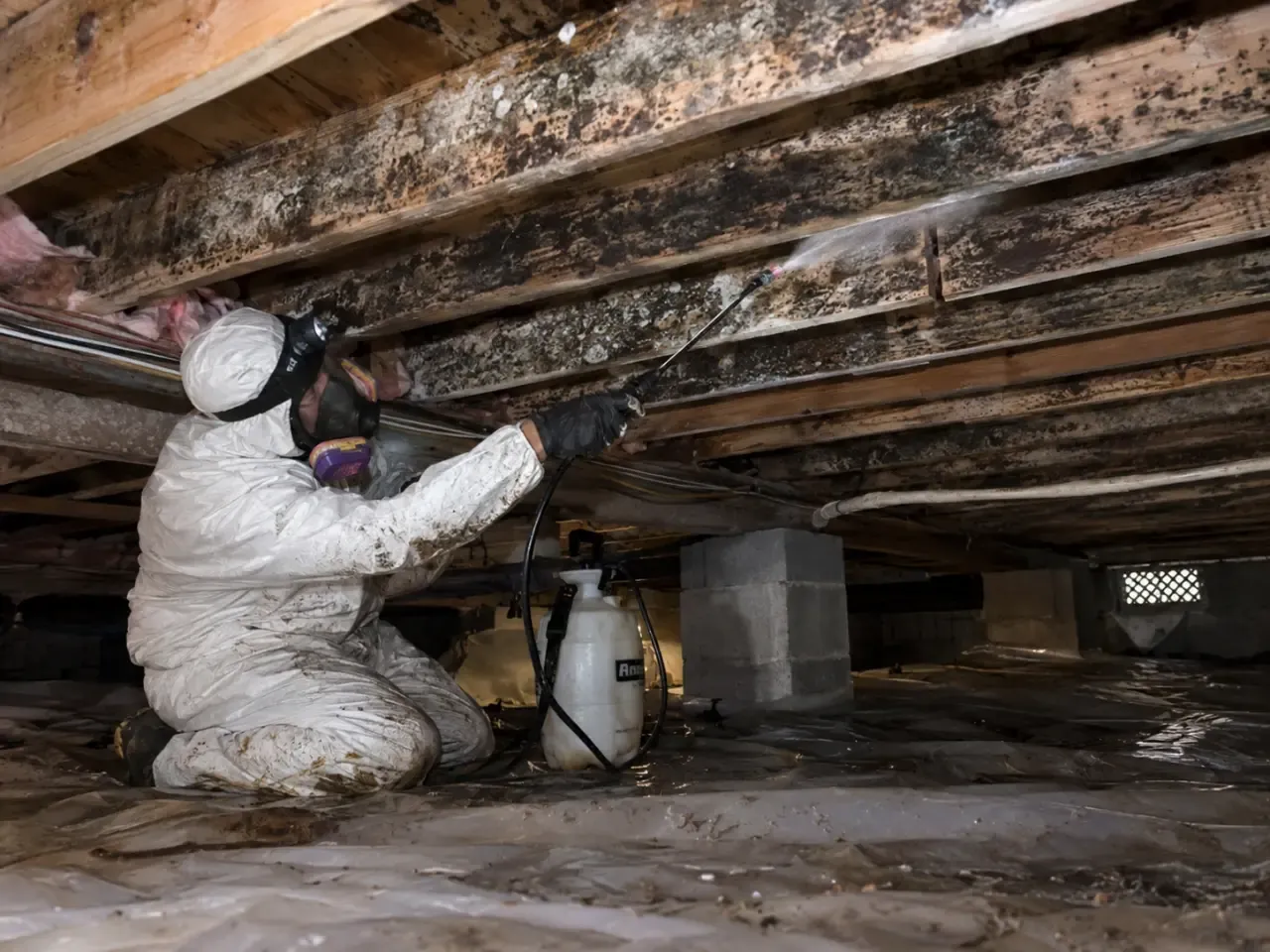
San Luis Mold Pros has handled mold removal Railroad District CA properties since 2020, and the district keeps us busy for reasons that are easy to see once you know the building stock. The Railroad District mixes older commercial buildings, renovated spaces, and residences, often within the same block, so a single water intrusion can affect a storefront, an upstairs apartment, and a shared wall at the same time. Coastal humidity and cool marine air push condensation onto cold pipes and single-pane windows, and that moisture feeds hidden mold growth behind cabinets, baseboards, and insulation long before anyone smells it. We start every job with a moisture meter, a Protimeter hygrometer, and a FLIR infrared thermal camera so we can map the actual wet zone instead of guessing. From there we set polyethylene containment sheeting, run a negative air machine with HEPA filtration, and dry structural materials with Dri-Eaz and Phoenix Restoration Equipment dehumidifiers until readings match a dry standard. As a mold remediation company Railroad District property owners call back, we document each step with photos and moisture logs, then verify clearance before reconstruction begins.
Services available in Railroad District
Mold Remediation Services Available in Railroad District
Railroad District properties need a range of mold services because the building types vary so much. A single-family home near South Street area may need only a bathroom inspection, while a commercial building on Higuera Street can require full containment and structural drying. If you are searching for mold removal near me in Railroad District, we cover the full scope from testing through reconstruction, and we can usually schedule an inspection within one business day.
01
Residential Mold Remediation
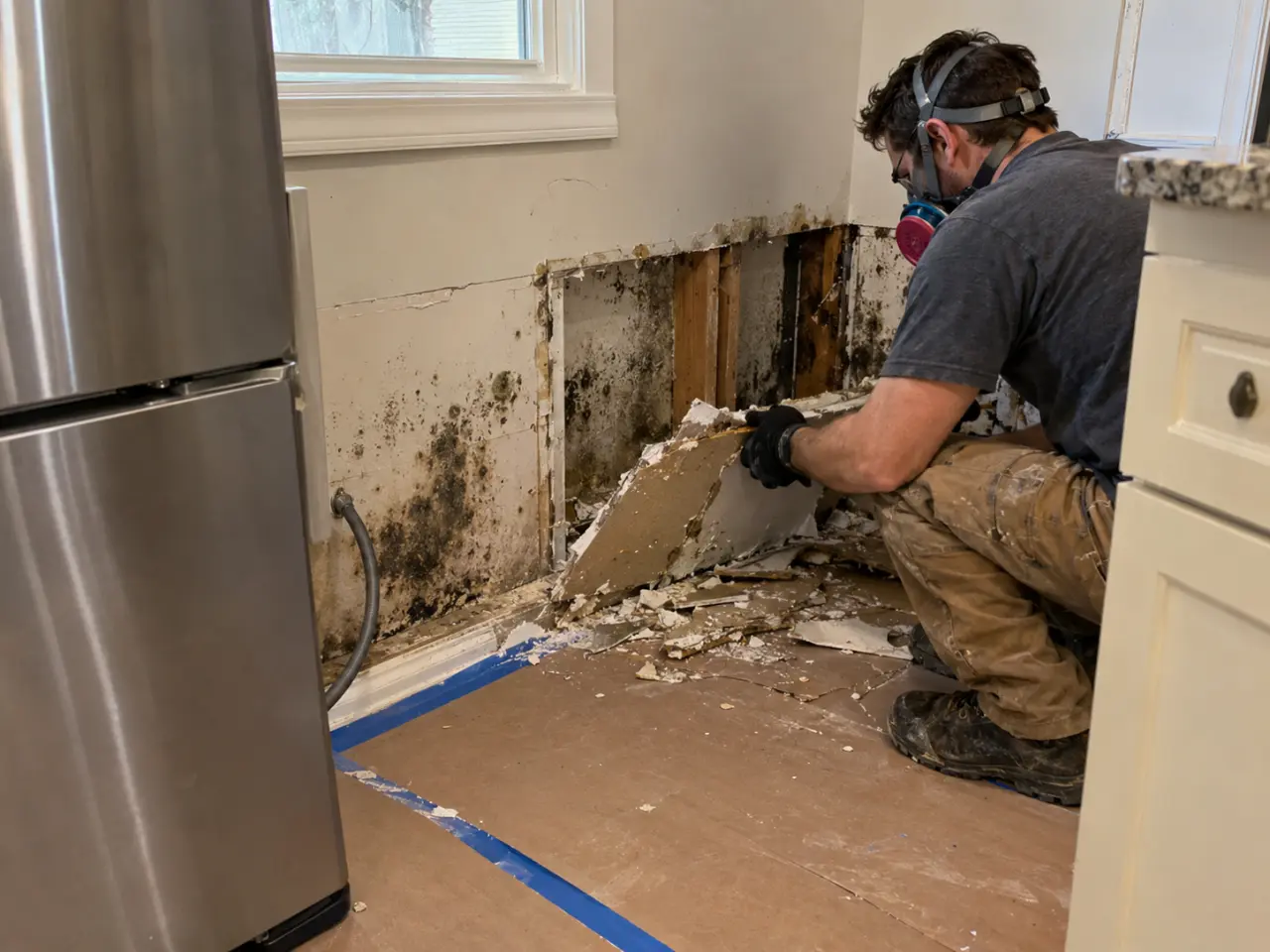
We handle residential mold remediation near Railroad District for houses, duplexes, and upstairs apartments, especially in the older blocks around South Street area. Most calls start with a musty smell or a visible patch near a bathroom, kitchen, or window. We contain the area, remove affected drywall and insulation, HEPA vacuum the surfaces, and dry the framing before any repair work begins.
View service 02Commercial Mold Remediation
Commercial mold abatement in Railroad District covers storefronts, offices, and mixed-use buildings where a leak can shut down business. We schedule around your operating hours, set negative-pressure ducting so spores do not spread into customer areas, and document everything for property managers. Buildings near Railroad Square often need after-hours work, and we plan for that.
View service 03Black Mold Removal
Black mold contamination in Railroad District usually shows up after a slow leak behind a wall or under a sink. We confirm the species with air sampling pump testing before removal, then contain and remove affected materials under negative pressure. Technicians wear P100 respirator filters and follow ANSI/IICRC S520 procedures so the job is done safely, not just quickly.
View service 04Mold Inspection
A mold inspection in Railroad District starts with moisture mapping, not guesswork. We use a moisture meter, hygrometer, and infrared thermal camera to trace water behind walls, under floors, and above ceilings. You get photos, readings, and a clear written scope showing what is wet, what is growing, and what can stay untouched.
View service 05Mold Testing
Mold testing in the Railroad District tells you what you are dealing with before anyone starts demolition. We collect air and surface samples with calibrated pumps and send them to an accredited lab. Results come back with species and spore counts, which matters in mixed-use buildings where one unit's problem can affect a neighbor's air quality.
View service 06HEPA Air Filtration
HEPA air filtration keeps spores out of the air while we work in Railroad District homes and businesses. We run XPOWER and Abatement Technologies HEPA air scrubbers inside containment, and we pair them with negative air machines so air moves out of the work zone, not into your living room or sales floor. Filters get changed on a documented schedule.
View serviceBuilt around the city
How We Execute Mold Remediation in Railroad District
Executing mold remediation in Railroad District takes planning because access is tight and buildings are old. On Higuera Street, parking and loading often mean we stage equipment in a rear alley or a side lot, so we schedule deliveries around business hours. Inside, we build containment with polyethylene containment sheeting and zipper doors, then run negative-pressure ducting to a HEPA filter so spores stay in the work zone. California contractor licensing requirements and the EPA Renovation, Repair and Painting Rule both shape how we handle pre-1978 buildings, which are common near the San Luis Obispo Railroad Museum. We follow ANSI/IICRC S520 for the remediation itself and OSHA respiratory protection requirements for our crew. If you need same-day mold cleanup in Railroad District, call before noon and we can usually have a technician on site the same afternoon with a moisture meter and thermal camera in hand.
Historic building materials and renovations can conceal prior water damage, so visible mold is often only part of the problem. Inspections take longer because we have to trace moisture through layers of plaster, drywall, and old framing before we open anything. We start with infrared thermal imaging and moisture meter readings on every wall, then make small inspection cuts only where readings justify it. That keeps demolition limited and gives you a documented map of the actual wet zone before removal begins.
Cool marine air and elevated indoor humidity create condensation on pipes, windows, and exterior walls, which feeds mold in spots that never see a leak. These jobs are easy to miss because there is no standing water. We measure indoor humidity with a hygrometer and identify cold surfaces with a FLIR camera. Then we correct the source with ventilation, insulation, or vapor barrier work, and set LGR dehumidifiers to bring moisture levels down to a dry standard.
Mixed-use occupancy and building ventilation vary substantially, so a mold problem in one unit can affect neighboring businesses or apartments. Cross-contamination risk is real during removal if containment is sloppy. We seal the work zone with polyethylene containment sheeting, run negative air machines with HEPA filters, and verify pressure differentials before any material is disturbed. Neighboring units stay protected, and we document the setup with photos.
This standard defines how we contain, remove, clean, and verify mold work. Following it means our process is defensible and consistent, which matters when a Railroad District property manager or landlord needs documentation for an insurance claim.
Many Railroad District buildings predate 1978, so disturbing painted surfaces during mold removal can release lead dust. We follow RRP containment and cleanup practices on those jobs, which protects occupants and keeps the project compliant.
Mold remediation and the reconstruction that follows fall under California contractor licensing rules. Working with a licensed, insured company protects you if a repair fails or a dispute arises after the job is complete.
Common local problems
Common Mold Problems in Railroad District
Hidden mold growth behind finished walls
Condensation on cold pipes and windows
Mold recurrence after incomplete drying
Cross-contamination in mixed-use buildings
Warning signs
Signs You Need Mold Remediation in Railroad District
A moldy odor that comes back within days usually means growth is inside a wall, ceiling, or floor cavity, not on the surface. Cleaning the visible area does nothing because the moisture source is still active. This is the most common reason we get called in the district.
Black or dark green patches around window frames, supply lines, and cold pipes point to condensation or a slow leak. Coastal humidity in Railroad District makes these spots common on single-pane windows and uninsulated plumbing. Test before you scrub, because disturbing it can spread spores.
When a hygrometer reads above 60 percent indoors for days at a time, mold can colonize drywall, wood, and fabric. This happens often in ground-floor and below-grade spaces in the district. A dehumidifier helps, but you need to find why the moisture is there.
Paint that bubbles or drywall that feels soft means water is sitting behind the surface. In older Railroad District buildings, this often traces back to plumbing or roof drains. By the time you see it, mold growth is usually already present in the cavity.
Any leak, flood, or spill that was not fully dried within 24 to 48 hours is a mold risk. This is the number one cause of mold recurrence after incomplete drying. If a previous repair did not include moisture readings, get it checked.
We know the route
Railroad District Landmarks We Navigate Daily
Knowing the Railroad District by its landmarks keeps our response times short. We route crews by the San Luis Obispo Railroad Museum, the San Luis Obispo Amtrak Station, and Railroad Square so we can avoid the worst of the Higuera Street traffic and reach side streets quickly. When you call, a landmark or cross street helps us dispatch the right truck with the right equipment the first time.
San Luis Obispo Railroad Museum
The museum sits in the historic rail corridor and gives us a fixed reference point for the surrounding blocks. When a caller mentions it, we know which side of the tracks and which alley access to use for equipment staging.
San Luis Obispo Amtrak Station
The Amtrak Station anchors the district's north end and helps us orient jobs near the station blocks. It also tells us where passenger traffic and parking will affect how we position a trailer or van during a call.
Railroad Square
Railroad Square is the district's central commercial reference. Addresses near it usually mean older buildings with limited rear access, so we plan containment setup and equipment placement before we arrive.
Higuera Street
Higuera Street is the main commercial spine through the district. Knowing where a job falls along it tells us whether to approach from the north or south and whether we need a parking plan for the work truck.
Higuera Street commercial corridor
This corridor runs through the district with a mix of retail, restaurants, and professional offices in older and renovated buildings. Rear alleys and side lots are the usual access points for equipment, and business hours shape when we can work.
Railroad Square business district
Railroad Square concentrates small businesses and mixed-use buildings around the historic rail corridor. Shared walls, older plumbing, and varied ventilation make moisture mapping important before any removal work starts.
Railroad District service coverage
Neighborhoods We Serve in Railroad District
We cover the full Railroad District, from the commercial blocks along Higuera Street to the residential streets near South Street area. Each pocket has its own building style and moisture pattern, and knowing the difference saves time on every inspection.
Railroad Square areaHiguera Street corridorSouth Street areaAmtrak Station blocks
San Luis Mold Pros2117 Broad St, San Luis Obispo, CA 93401
Local results
Recent Mold Remediation Results in Railroad District
A Higuera Street restaurant found a musty smell in its dining room after a slow roof drain leak soaked the ceiling tiles and insulation above.
We contained the ceiling area with polyethylene sheeting, ran a negative air machine with HEPA filtration, and removed the wet tiles and insulation. LGR dehumidifiers and air movers dried the framing over three days, and we verified moisture readings before the ceiling was rebuilt. The restaurant reopened its full dining room in four days with no moldy odor and a documented dry standard on the framing.
An older house near South Street area had visible black mold contamination on the bathroom wall and ceiling after a slow supply-line leak behind the vanity.
We tested with an air sampling pump, confirmed the species, and removed the affected drywall and insulation under containment. Technicians wore P100 respirator filters, HEPA vacuumed the framing, and applied antimicrobial cleaner before drying the wall cavity. Post-remediation air samples came back clear, and the homeowner had the bathroom rebuilt with mold-resistant drywall.
A mixed-use building near Railroad Square had moldy odors in a ground-floor office and elevated humidity readings in an adjacent apartment.
We mapped moisture with a FLIR camera and Protimeter meter, then traced the source to a failed vapor barrier and poor ventilation. We dried both units with Phoenix Restoration Equipment dehumidifiers, repaired the barrier, and set up ongoing moisture monitoring. Indoor humidity dropped below 50 percent in both units, and no new growth has been reported since.
Plan for the season
How Seasons Affect Mold Remediation in Railroad District
Check crawlspaces and ground-floor rooms for dampness, and run a dehumidifier if indoor humidity climbs above 60 percent.
Look for condensation on cold pipes and vents, and schedule an inspection if you smell anything musty in a closed room.
Walk the exterior for loose flashing and check window frames for moisture after the first rain.
If you have any leak or flooding, get drying equipment in within a day and have moisture readings taken before you repair.
Nearby service areas
Nearby Cities We Serve from Railroad District
Railroad District sits inside San Luis Obispo County, and we cover the surrounding communities from the same dispatch point. If you are just outside the district, we can still get to you quickly.
Before you hire
What to Ask Before Hiring Mold Remediation in Railroad District
Are your technicians certified in mold remediation?
Will you test before and after the work?
How do you contain the work area?
Will you find and fix the moisture source?
Are you licensed and insured in California?
Trust and compliance
Licensed, Certified, and Insured in California
California contractor license
Lic. #B-1029384
San Luis Obispo County business license
Lic. #SLP-2020-4471
IICRC Applied Microbial Remediation Technician
IICRC
IICRC Water Damage Restoration Technician
IICRC
ACAC Council-certified Microbial Remediator
ACAC
San Luis Obispo Chamber of Commerce
Member
Railroad District Business Association
Member
Before the visit
Mold Remediation in Railroad District: Common Questions
Still wondering?(805) 507-9326
Most Railroad District jobs run $1,800 to $4,200, with small bathroom or closet scopes starting around $1,200 and full commercial spaces exceeding $6,500. Testing adds $250 to $600. Older buildings near Railroad Square often cost more because access is tight and plaster or original framing takes longer to dry.
San Luis Mold Pros provides mold removal in the Railroad District, including the Higuera Street corridor, Railroad Square area, and South Street area. We have served the 93401 ZIP since 2020 with IICRC-certified crews. Call (805) 507-9326 and we can usually schedule an inspection within one business day.
Yes. We handle emergency mold cleanup Railroad District CA calls 24/7, including nights and weekends. If a leak or flood soaks building materials, mold can start within 24 to 48 hours. Call us and we will dispatch a crew with drying equipment and containment supplies the same day.
Ask about certifications, testing, containment, and moisture-source repair. A qualified company will hold IICRC or ACAC credentials, test before and after, use negative air machines with HEPA filters, and trace the leak with moisture meters and thermal cameras. If they skip any of those steps, keep looking.
Most residential jobs take two to five days, including removal and drying. Commercial jobs in mixed-use buildings can run a week or more when reconstruction is included. Drying time depends on building materials and how long the moisture was present, so we check readings daily before rebuilding.
Your next step is waiting
Get Mold Remediation in Railroad District Today
If you have a musty smell, a visible patch, or a leak that never dried, call San Luis Mold Pros. We serve the Railroad District, Railroad Square area, and Higuera Street corridor with IICRC-certified crews, same-day inspections, and 24/7 emergency response. We test, contain, dry, and verify before we rebuild, and we document every step. Call (805) 507-9326 and we will get a technician to your property.
Start with the basics
Contact San Luis Mold Pros
Call (805) 507-9326 or email info@sanluismoldpros.com and we will get you on the schedule. We answer the phone 24/7 for water intrusion emergencies and return messages within one business hour during the day. Estimates are free and we serve all of San Luis Obispo County.