Structural Drying & Dehumidification
Structural Drying and Dehumidification San Luis Obispo CA
When a leak, burst pipe, or storm soaks your building, Structural Drying and Dehumidification San Luis Obispo CA is the fastest way to protect it. We pull standing water, dry wet materials with calibrated equipment, and verify moisture levels before we leave. Serving homeowners and businesses across San Luis Obispo County, our IICRC-trained team responds 24/7 to stop damage from spreading.
Service overview
Structural Drying and Dehumidification San Luis Obispo CA
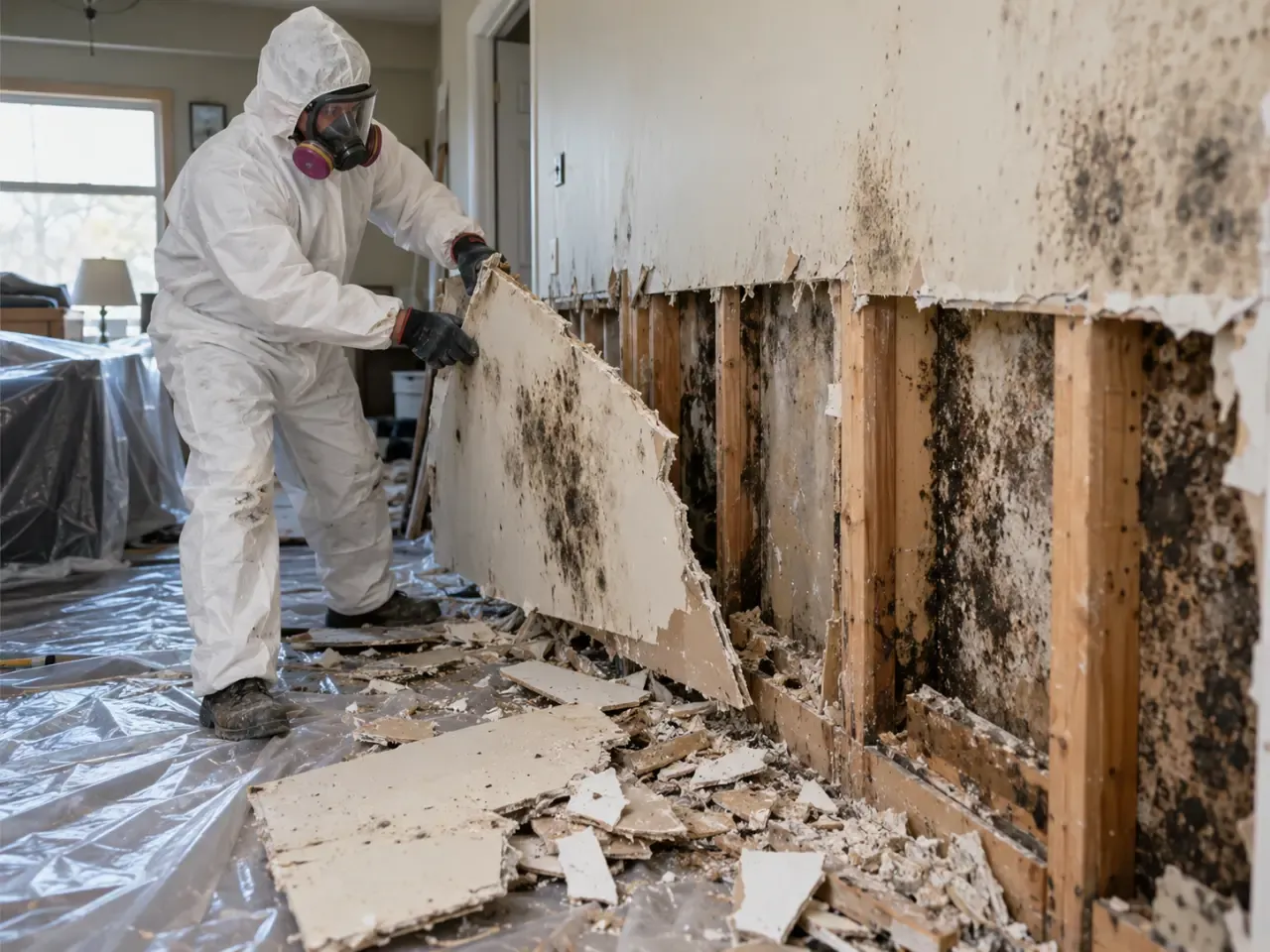
Structural drying removes moisture from building materials, while dehumidification pulls water vapor out of the air so it cannot re-wet walls, floors, or framing. Together they form the core of water damage recovery. Our technicians use moisture meters, infrared thermal cameras, and hygrometers to map exactly where water has traveled, then set Dri-Eaz and Phoenix Restoration Equipment air movers and LGR dehumidifiers to dry it out. This is not a fan-and-wait job; it is a measured process with daily readings and a documented dry standard.
San Luis Obispo buildings face water intrusion from winter storms, aging plumbing, and marine-layer humidity that keeps materials damp long after a leak stops. Left alone, that moisture feeds hidden mold growth inside walls and under floors. If you search for structural drying San Luis Obispo CA near me after a pipe bursts, you need equipment sized to the job and technicians who understand coastal drying. We handle emergency water damage drying in San Luis Obispo for homes, rentals, and commercial spaces, and we document every step for your insurance claim.
Practical benefits
Why Professional Drying Matters
DIY fans and open windows rarely dry a building fast enough to beat mold. Professional drying removes the water, controls the air, and proves the structure is dry with instrument readings.
Stop Mold Within 48 Hours
Mold can begin colonizing wet drywall and framing in 24 to 48 hours. Our team sets drying equipment the same day we arrive, pulling moisture out before spores get a foothold. We target a dry standard of 12 to 15 percent moisture content in wood framing, verified with a Protimeter moisture meter.
Protect Your Structure
Wet building materials swell, warp, and lose strength. By drying wall cavities, subfloor, and joists quickly, we help you avoid replacing flooring, drywall, and framing. On a typical 500-square-foot water loss, fast structural drying San Luis Obispo CA can save thousands in reconstruction costs.
Lower Your Energy Bills
A damp home feels cold and forces your HVAC system to work harder. After San Luis Obispo dehumidification service brings indoor humidity below 50 percent, your rooms feel warmer and your system runs less. We leave a hygrometer reading so you can see the difference in black and white.
Documented for Insurance
Insurance adjusters want proof of the loss and the drying progress. We log moisture readings, equipment placement, and daily psychrometric data. That documentation supports your claim and shows the work was done to IICRC Applied Structural Drying standards, which most carriers recognize.
How service works
Our Structural Drying Process
Every water loss is different, but the drying science is not. Here is what you can expect from the moment you call until the final moisture check.
STEP 01
Emergency Call
Call (805) 507-9326 and we dispatch a crew, often within 60 to 90 minutes for emergencies in San Luis Obispo. We ask what happened, whether the water is still running, and whether power is safe. You get a straight answer on arrival time and what to do while you wait.
Tools and methods
Tools and Methods We Use
Dri-Eaz and Phoenix Restoration Equipment LGR Dehumidifiers
Low-grain refrigerant dehumidifiers pull large volumes of water vapor from the air, keeping the drying environment below 50 percent relative humidity so wet materials release moisture faster.
XPOWER and Dri-Eaz Air Movers
High-velocity air movers create a vortex across wet surfaces, speeding evaporation from floors, walls, and framing. We position them based on moisture mapping, not guesswork.
Protimeter Moisture Meter and Hygrometer
We use a Protimeter to measure moisture content in wood and drywall, and a hygrometer to track relative humidity and temperature. These readings define the dry standard and tell us when to remove equipment.
FLIR Infrared Thermal Camera
Thermal imaging reveals temperature differences caused by evaporating moisture, letting us find hidden water behind walls and under floors without destructive demolition.
HEPA Air Scrubber and Negative Air Machine
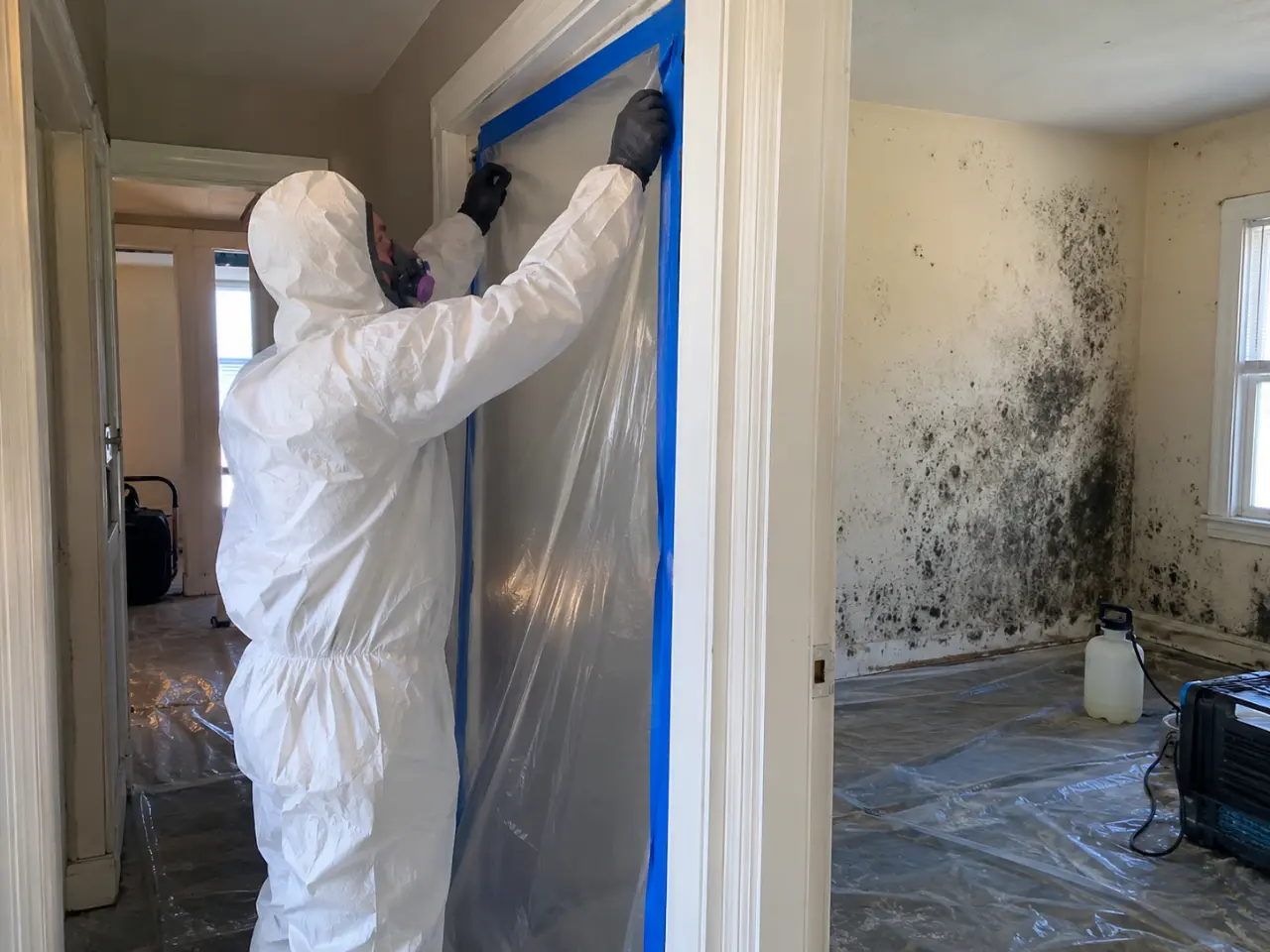
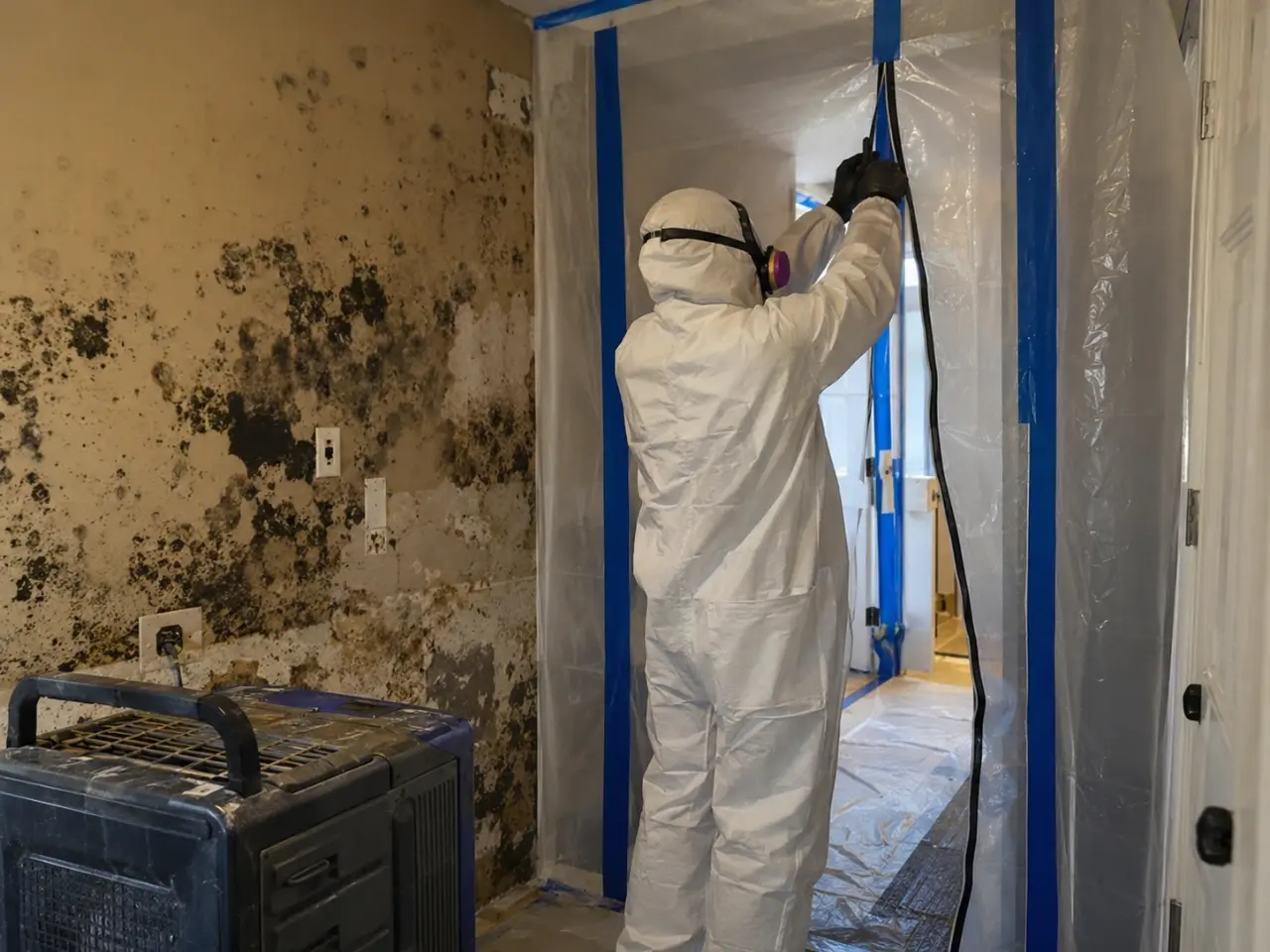
When water is contaminated or mold is suspected, we run HEPA filtration and negative air machines with negative-pressure ducting to capture spores and protect clean areas.
Abatement Technologies HEPA Filter and Polyethylene Containment Sheeting
Containment sheeting isolates the work area, and HEPA filters capture particles down to 0.3 microns. Together they keep dust and spores from spreading during drying and remediation.
IICRC Applied Structural Drying Protocol
We follow the IICRC S500 drying approach: categorize the water, map the moisture, set equipment sized to the load, and monitor daily until readings meet the dry standard. This is the method insurers recognize and the one that prevents mold recurrence.
Psychrometric Monitoring
We track temperature, relative humidity, and dew point to understand how moisture is moving through the building. If drying stalls, the psychrometric data tells us whether to add equipment, adjust temperature, or change airflow.
ANSI/IICRC S520 Standard for Professional Mold Remediation
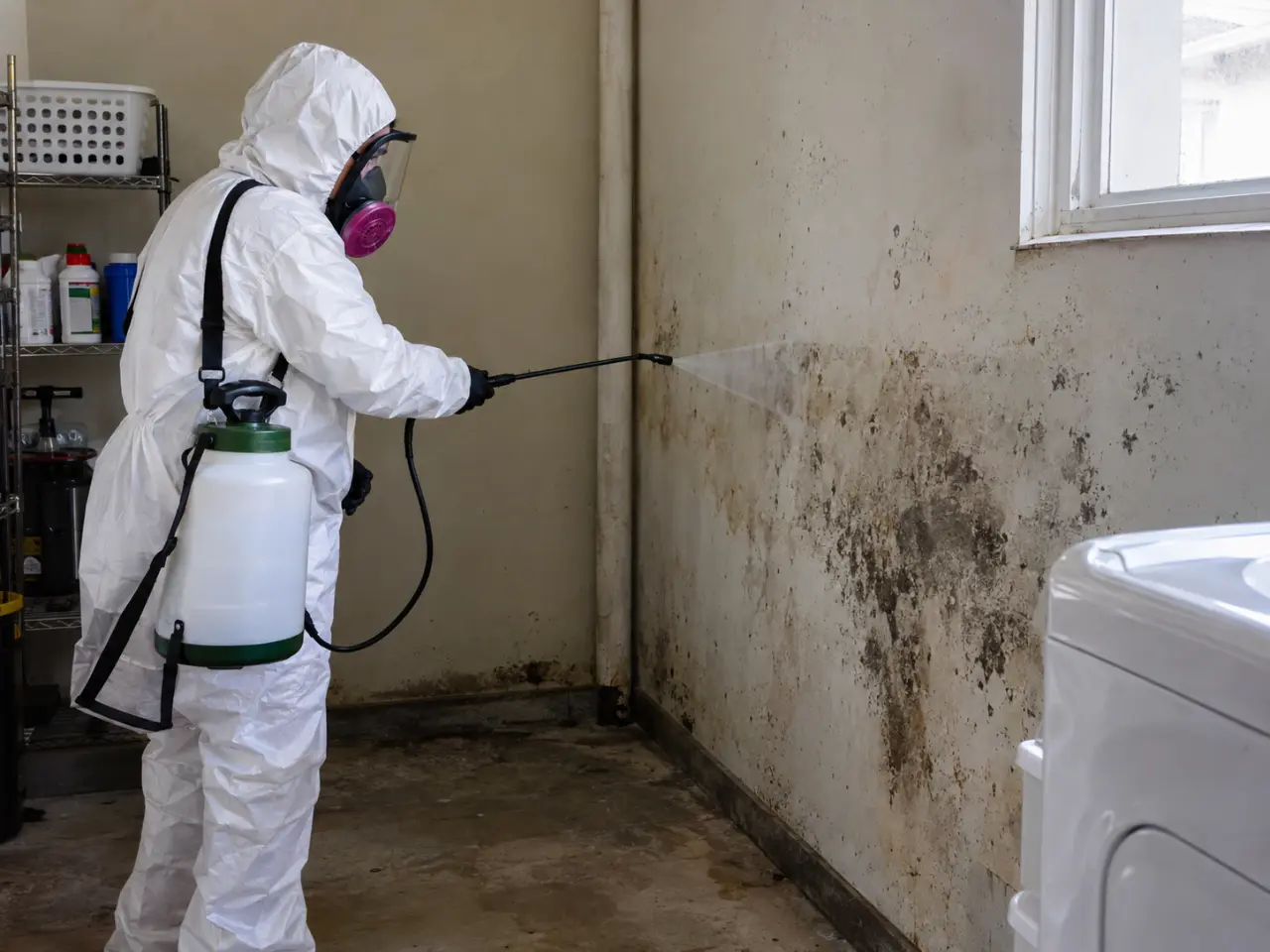
When drying uncovers mold, we shift to the S520 standard: containment, negative air, HEPA filtration, antimicrobial cleaner, and verification. Drying first keeps the remediation scope smaller and the air cleaner.
OSHA Respiratory Protection Requirements
Our technicians wear P100 respirator filters and follow OSHA respiratory protection requirements when working around mold or contaminated water. Protecting our crew protects your building from cross-contamination.
Where this service fits
When You Need Structural Drying
A pipe bursts overnight and floods a kitchen or bathroom floor.
We extract standing water, remove wet pad if needed, and set air movers and dehumidifiers to dry the subfloor and cabinets. We check moisture daily and document everything for your claim. The floor and cabinets dry in three to five days without full replacement, and you avoid a mold problem.
A winter storm drives rain under a door or through a roof leak.
We extract the water, set drying equipment, and use containment if the water carried debris. We also check for hidden moisture in walls and ceilings with an infrared camera. The structure dries to standard, and you get a report showing the building is ready for repairs.
A commercial building has a slab leak or sprinkler discharge.
We mobilize a larger equipment package, work after hours to keep your business open, and use negative air machines and HEPA filtration to protect indoor air quality. Your building dries on schedule with minimal downtime and full documentation for your insurer.
A rental property sits vacant and develops a musty smell after a small leak.
We inspect with moisture meters and thermal cameras, dry any wet materials, and run dehumidifiers to bring humidity down. If mold is present, we test and remediate. The unit is dry, odor-free, and ready to rent, with documentation showing the moisture problem was resolved.
Local execution
How Drying Works in San Luis Obispo
San Luis Obispo's coastal climate changes how buildings dry. The marine layer keeps outdoor humidity high much of the year, so opening windows can actually slow drying. We rely on LGR dehumidifiers and closed-loop drying instead. Winter storms bring wind-driven rain that finds its way into older homes near Downtown San Luis Obispo and the Railroad District, where original construction may lack modern vapor barriers. We also see slab leaks in mid-century homes around Sinsheimer and Foothill, and crawl space moisture in properties near Laguna Lake. California contractor licensing requirements and local building codes shape how we document and complete work. If you need emergency water damage drying in San Luis Obispo, we know the building stock and the weather that causes the problem.
Downtown San Luis Obispo
Older commercial and residential buildings with original plaster and minimal vapor barriers. We adjust drying times for dense plaster walls, which release moisture more slowly than modern drywall.
Laguna Lake
Properties near the lake see higher ambient humidity, which slows evaporation. We add dehumidification capacity and monitor psychrometrics closely to keep drying on schedule.
Sinsheimer
Mid-century homes with slab foundations and copper plumbing. Pinhole leaks in slabs are common, and we use thermal imaging to find the moisture path without tearing up the floor.
Foothill
Larger homes on sloped lots where drainage issues can push water into crawl spaces and lower levels. We check vapor barriers and dry crawl spaces as part of the job.
Marine layer humidity most of the year
Outdoor air is often too damp to help drying. We keep windows closed and use LGR dehumidifiers to create a dry environment, which speeds evaporation from wet materials.
Winter storm-driven rain
Wind pushes rain under doors, through roof leaks, and into wall cavities. We map the moisture with thermal cameras because the entry point is often not where the water pools.
Aging plumbing in older homes
Galvanized and early copper lines fail over time, causing slow leaks inside walls. These leaks often go unnoticed until mold appears, so we inspect with moisture meters and thermal imaging.
Problems we solve
Water Damage Problems We Solve
Water finds the path of least resistance, which is rarely where you can see it. These are the problems we solve most often for San Luis Obispo homeowners and businesses.
Hidden water behind walls and under floors
We use an infrared thermal camera and moisture meter to find hidden water without tearing out every wall. Once mapped, we dry the cavity with directed air movers and dehumidifiers, then verify with readings before closing anything up. Trapped moisture warps framing, ruins drywall, and feeds mold you cannot see until it smells or spreads. By then, repairs cost far more than drying would have.
Elevated indoor humidity after a leak
Our San Luis Obispo dehumidification service uses LGR dehumidifiers to pull moisture from the air while air movers dry surfaces. We monitor with a hygrometer and keep indoor humidity below 50 percent until the structure is dry. High humidity keeps materials damp and makes the whole building feel clammy. It also slows drying and raises the risk of condensation on cold surfaces.
Mold recurrence after incomplete drying
We dry to a documented standard, not a visual check. Every job ends with moisture meter readings compared against the dry standard for the material. If mold is already present, we transition to remediation under the ANSI/IICRC S520 Standard for Professional Mold Remediation. If a previous drying job stopped too early, mold can return within weeks. That means repeat remediation, more disruption, and a harder insurance conversation.
Crawl space moisture and musty odors
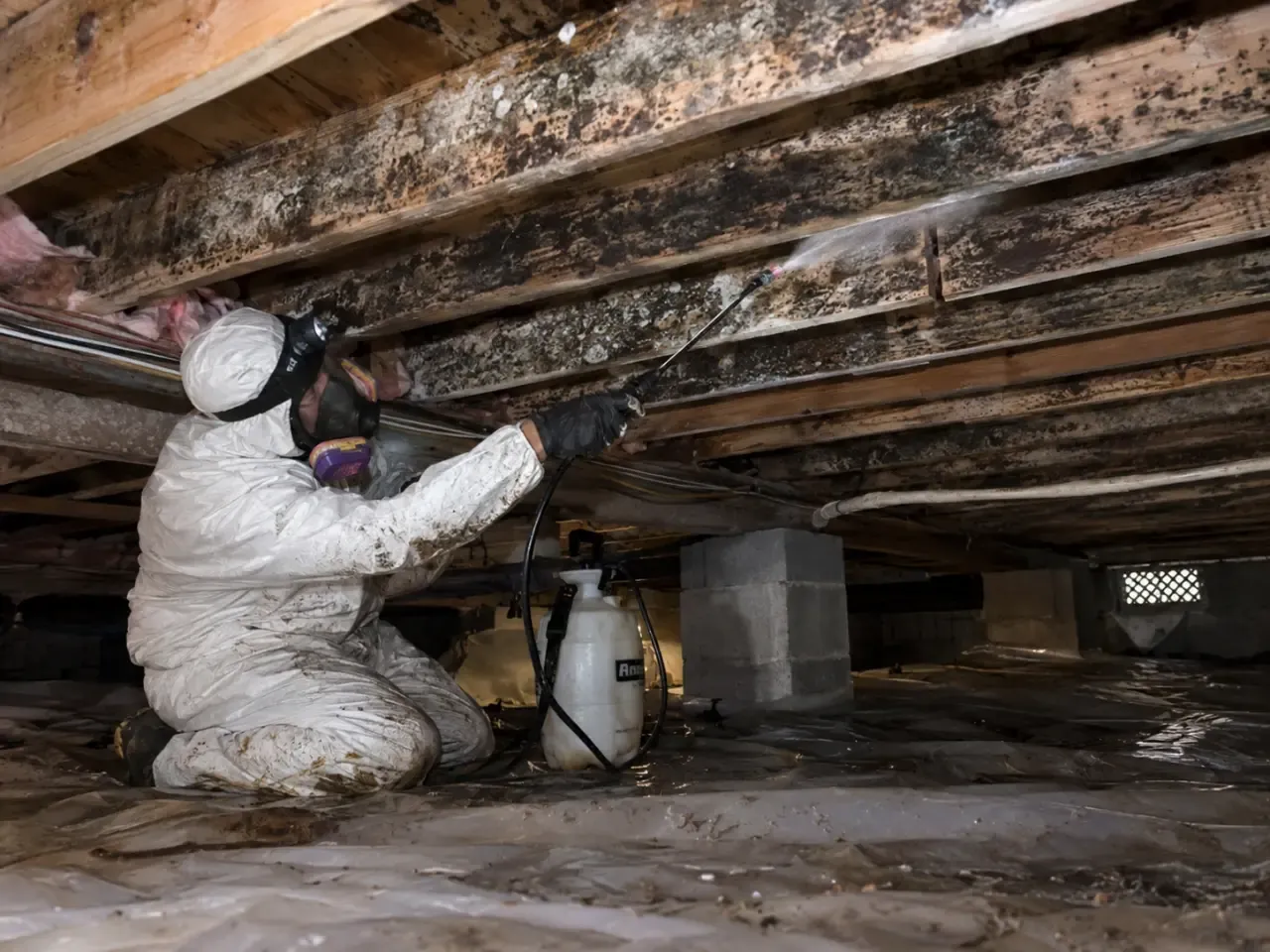
We handle crawl space drying and dehumidification San Luis Obispo projects with directed airflow and vapor barrier checks. We dry the space, identify the water source, and recommend moisture control so the problem does not come back. A damp crawl space pushes moisture up into the living space, causing moldy odors and elevated indoor humidity. It can also rot joists and subfloor over time.
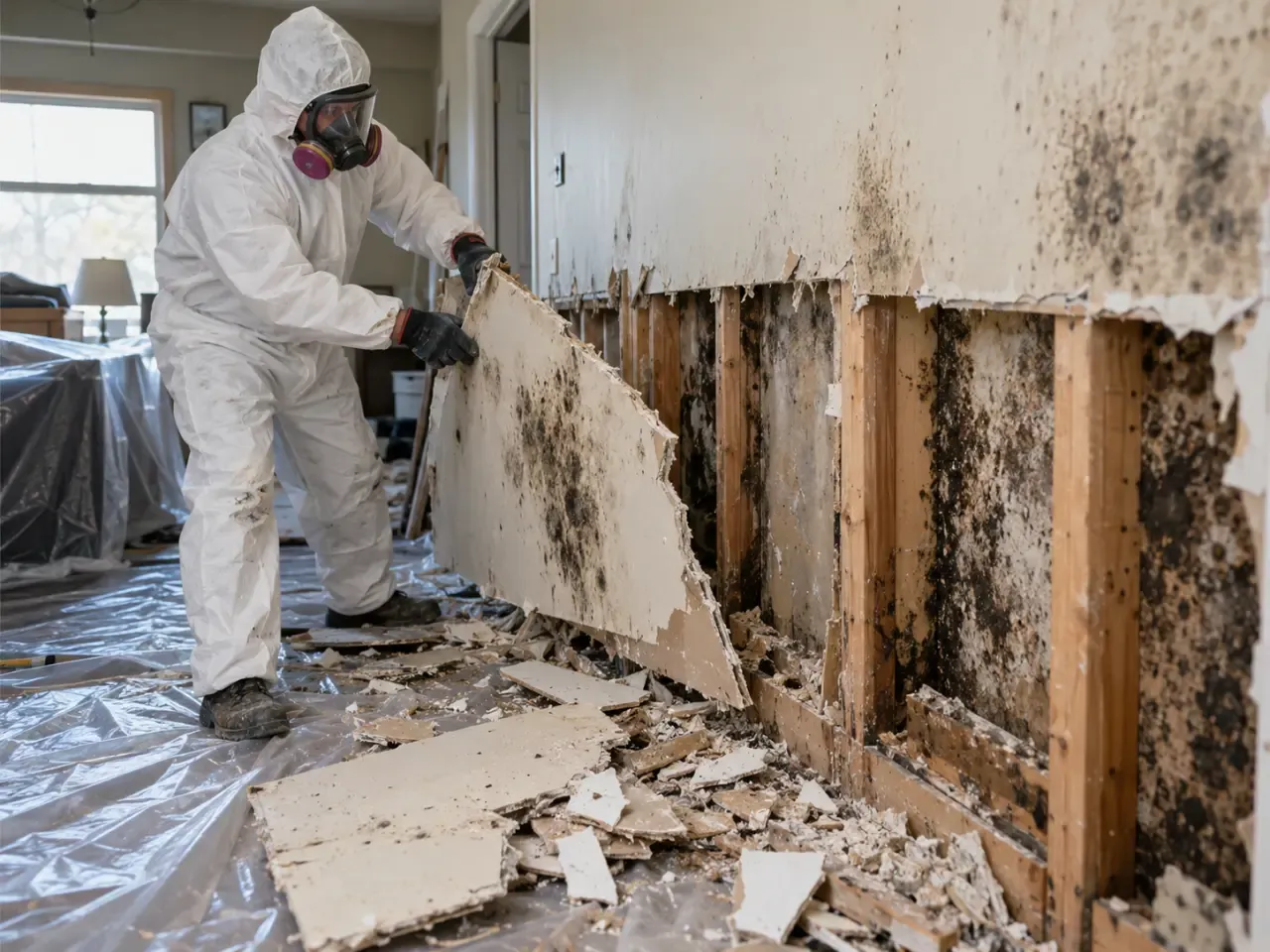
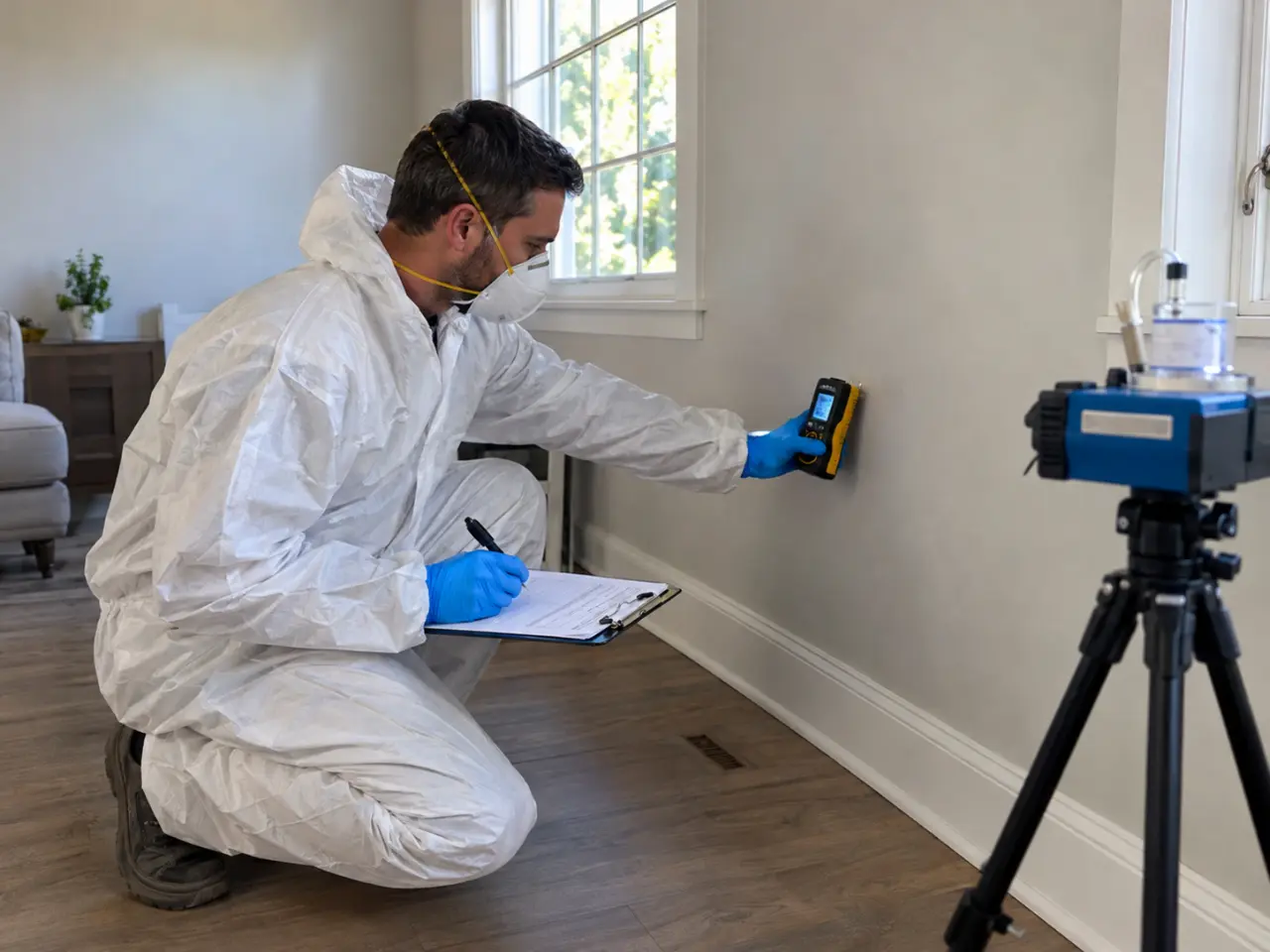
A practical standard for every visit.
Clear planningPrepared arrivalsCareful workLocal follow-through
Experience in the details
Drying Expertise You Can Verify
San Luis Mold Pros has been drying and remediating buildings in San Luis Obispo County since 2020. Our technicians hold IICRC Water Damage Restoration Technician and IICRC Applied Structural Drying credentials, and several carry the IICRC Applied Microbial Remediation Technician certification. That training matters when a job involves category 3 water or suspected mold. We follow the ANSI/IICRC S520 Standard for Professional Mold Remediation and California contractor licensing requirements on every project. From a 200-square-foot bathroom leak to a 20,000-square-foot commercial loss, we size the equipment to the moisture load and document the results.
- IICRC Water Damage Restoration Technician and Applied Structural Drying certified
- IICRC Applied Microbial Remediation Technician on staff for contaminated losses
- ACAC Council-certified Microbial Remediator oversight on mold-related drying
- Six years serving San Luis Obispo County homes and businesses since 2020
- Daily psychrometric documentation accepted by major insurance carriers
Where we work
One local team. A lot of ground covered.
Laguna LakeSinsheimerJohnson AvenueFoothillMadonnaDowntown San Luis ObispoRailroad DistrictBroad Street
Check my address Structural drying should begin within 24 to 48 hours of the water loss. Mold can start growing in that window, and wet materials get harder to save the longer they sit. Call (805) 507-9326 as soon as you find water. We dispatch crews across San Luis Obispo and often arrive within 60 to 90 minutes for emergency calls.
San Luis Mold Pros provides professional dehumidification in San Luis Obispo and throughout San Luis Obispo County. We use LGR dehumidifiers from Dri-Eaz and Phoenix Restoration Equipment to pull moisture from the air while air movers dry surfaces. We serve ZIP codes 93401, 93405, 93403, and 93406, including Laguna Lake, Sinsheimer, and the Railroad District.
Most residential water losses dry in three to five days with professional equipment. Dense materials like hardwood, plaster, and tile can take seven to ten days. We monitor daily with moisture meters and hygrometers and do not remove equipment until readings hit the dry standard. Every job gets a written drying log.
Yes. Mold needs moisture, and drying removes it before spores can colonize. When we dry a structure to the IICRC Applied Structural Drying standard and verify with a Protimeter moisture meter, we remove the condition mold needs to grow. If mold is already present, we move into remediation under the ANSI/IICRC S520 Standard for Professional Mold Remediation.
Keep exploring
Related Services
Your next step is waiting
Get Structural Drying and Dehumidification San Luis Obispo CA
Water damage gets worse by the hour. Call San Luis Mold Pros at (805) 507-9326 for 24/7 emergency response, licensed and insured technicians, and drying documented to IICRC standards. We serve all of San Luis Obispo County.
Start with the basics
Contact San Luis Mold Pros
Call (805) 507-9326 or email info@sanluismoldpros.com and we will get you on the schedule. We answer the phone 24/7 for water intrusion emergencies and return messages within one business hour during the day. Estimates are free and we serve all of San Luis Obispo County.